Service

Yard regrading & drainage

A yard that doesn't drain right is fixable, but mulch isn't the fix. If water pools after every storm, the lawn never dries out, the basement leaks during heavy rain, or the ground slopes the wrong…

Services  /  Yard regrading & drainage

What yard regrading actually involves

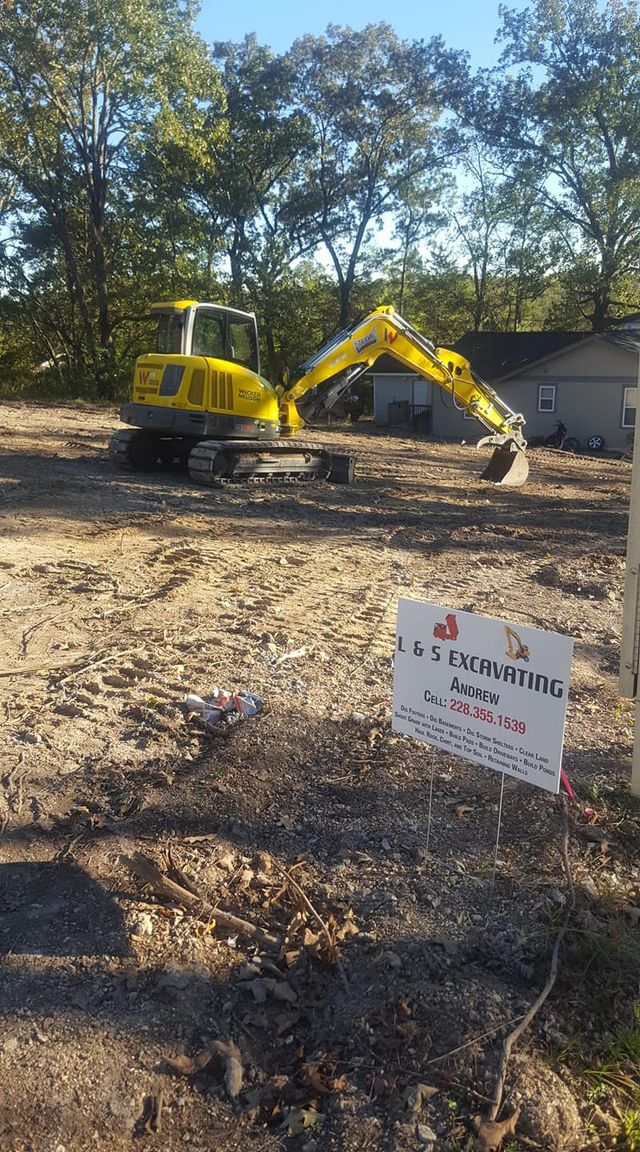
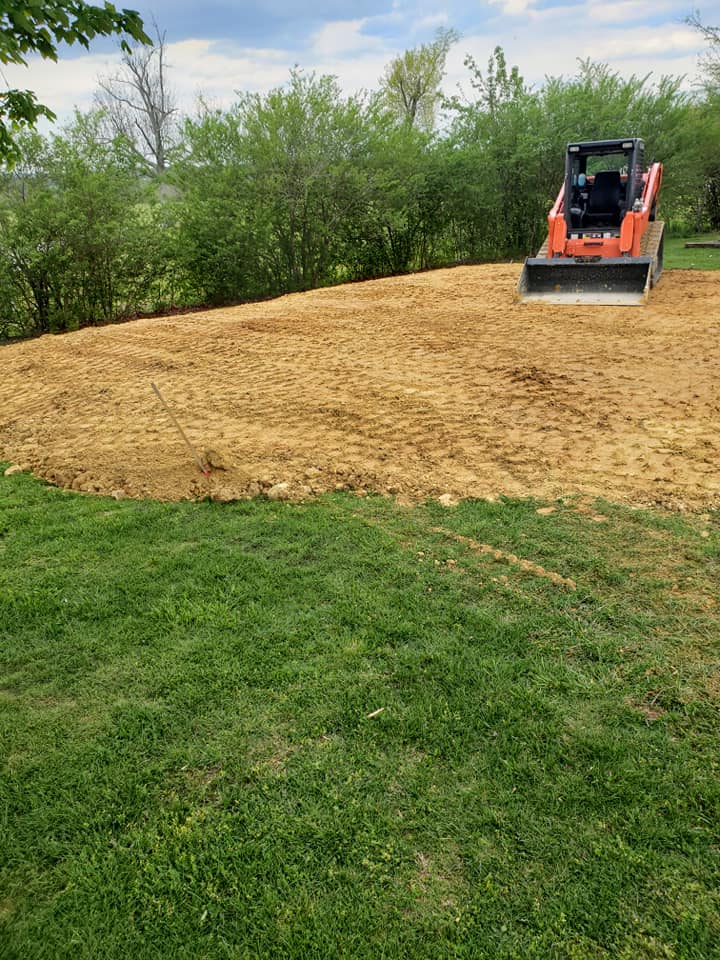
Regrading is the deliberate reshaping of the ground surface to control where water goes, what slopes look like, and what's possible to build or plant. On a residential lot it usually means:

  • Stripping the topsoil off the area being worked, stockpiling it on the side
  • Reshaping the subsoil to the new grade — adding fill where it's needed, cutting where it's too high
  • Compacting the new subsoil so it doesn't settle later
  • Spreading the stockpiled topsoil back over the new shape
  • Seed, sod, or stone depending on what the finished surface needs to be

A good regrading job leaves the area looking better than it started while solving the underlying water or shape problem.

Common reasons people regrade

  • Negative slope toward the house. Water runs at the foundation instead of away from it. This is the single most common cause of basement and crawl-space leaks in our area. Code calls for 6 inches of fall in the first 10 feet from the foundation.
  • Wet spots in the lawn that never dry. Compacted subsoil, low spots, or springs holding water near the surface.
  • Uneven lawn that's hard to mow. Bumps, divots, settled trench lines, old fill that consolidated.
  • Failed downspout outlets. Water dumping in the same spot rutting the yard.
  • Driveway runoff onto the lawn. Concentrated flow eroding a path.
  • Post-construction restoration. Builders leave a rough grade; we shape it into a livable yard.
  • Pool, addition, or shed leftovers. A construction project that left grade you can't mow or drain.

Foundation perimeter grading

The 10-foot zone around the foundation is the most important strip of yard you own. Water that gets to your foundation goes through it. The right grade in that zone:

  • 6 inches of fall in the first 10 feet (minimum building code)
  • No flat spots where water can pond
  • Splash blocks or extensions to move downspout discharge past the 10-foot mark
  • No mulch beds higher than the slab they sit against
  • No flower beds that hold water against the foundation

We regrade this strip on existing homes that didn't get it right at construction, or where settlement has changed the original grade.

How yard regrading differs from laser grading

Laser / precision grading is for surfaces that need to hit tight tolerances — typically commercial pads, slabs ready for a concrete pour, or sports surfaces where the slope is precise to 1/8 inch. Yard regrading is rougher, larger-scale, and more about water control than precision elevation. Different tool, different price, different intent.

When to choose regrading vs. a drainage system

Some wet yards need both. Some need just one. The general rule:

  • Wet at the surface but the soil isn't saturated → regrading is usually the answer
  • Wet because the soil itself is staying saturated → you need a French drain or yard drainage system in addition to regrading
  • Wet in one spot from a clear source (downspout, neighbor's runoff) → fix the source, then assess

We walk the site in dry conditions and in or just after a rain to see what the water is actually doing, then recommend.
What we do with the dirt

A regrading job either:

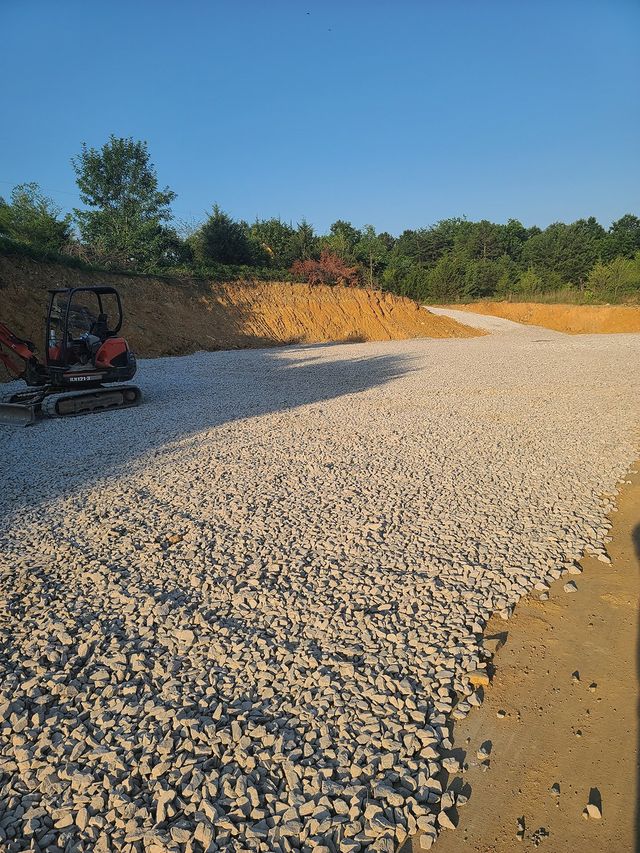
  • Stays on-site — cut from the high spots, filled into the low spots, no haul needed
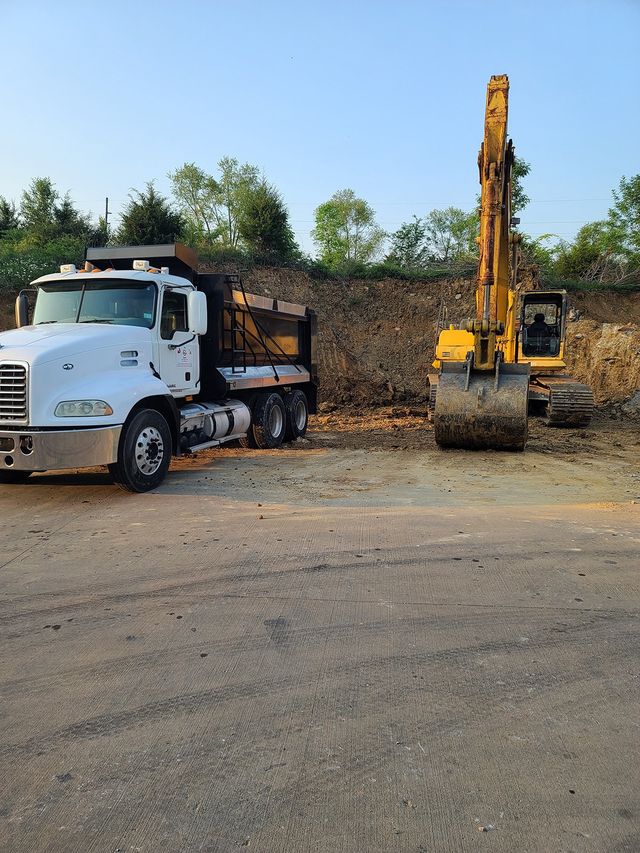
  • Brings fill in — typical when raising a low yard or building up a foundation perimeter
  • Hauls out — typical when lowering a yard or removing settled fill

We measure the cut and fill volumes during the walk so the dirt accounting is settled before work starts.

Topsoil and re-seeding

Most yard regrades end with topsoil respread and seeded or sodded back to grass. We stockpile the original topsoil during the cut, work the subsoil, and spread the topsoil back as the last step. If the original yard was thin on topsoil, we bring more in.
Meta

  • Meta title: Yard Regrading & Drainage Grading, Chattanooga | L & S
  • Meta description: Yard regrading, lawn leveling, and drainage grading across the Greater Chattanooga area. Fix wet yards, uneven lawns, and bad pitches around the house.

Recent work

Service areas

Available across the Greater Chattanooga area.

FAQs

Common questions, straight answers.

Will regrading kill my existing grass?

The area we're working will lose its grass. We strip it, work the soil underneath, and reseed or resod at the end. Areas we're not actively working stay intact.

How long until the new lawn is established?

Seeded areas need 3-6 weeks of irrigation and protection before they can be walked on regularly. Sodded areas can be walked on within a week and look established immediately. We coordinate the timing with the season — fall and early spring are ideal in our area.

Do you handle the irrigation?

We can rough-in irrigation trenching during the regrade. For sprinkler head installation and head-to-head coverage layout we coordinate with an irrigation specialist.

How much does regrading cost?

It depends on the square footage of the area, how much dirt has to move, whether fill needs to be hauled in or out, and what the finished surface is (seed, sod, mulch, gravel). We measure on site and quote in writing.

Can you raise my whole yard?

Yes, with brought-in fill. We've raised yards 2-3 feet across larger areas. The bigger the lift, the more compaction matters and the more careful we have to be with the trees and existing structures.

Will regrading fix my basement leak?

Usually it helps significantly, because most basement leaks trace to surface water reaching the foundation. But if the leak is from a hydrostatic issue (groundwater pressure on the wall) or a failed perimeter drain, regrading alone won't fix it. We walk it and tell you which.

Ready to break ground?

Let's talk about your site.

Request an estimate Free walk-through. · Written estimate. · No pressure.