
There's grinding and there's excavating. Both leave you with a usable spot; they leave different things behind.
A stump grinder reduces the visible portion of the stump and the upper root system to chips, typically to about 8-12 inches below grade. What's left:
Grinding is the right choice for:
A mini-excavator with a thumb attachment dig the stump and the major root system out completely. What's left:
Excavation is the right choice for:
Stump grindings are a usable mulch material if you want them — we leave them in place or move them to a different part of the property for trail or bed cover. Excavated stumps and root balls are loaded out and hauled to a green-waste facility or composted off-site. Cost varies with how much spoil leaves.
Stump removal pricing depends on three things:
We measure on site and quote in writing. Multiple stumps get volume pricing.
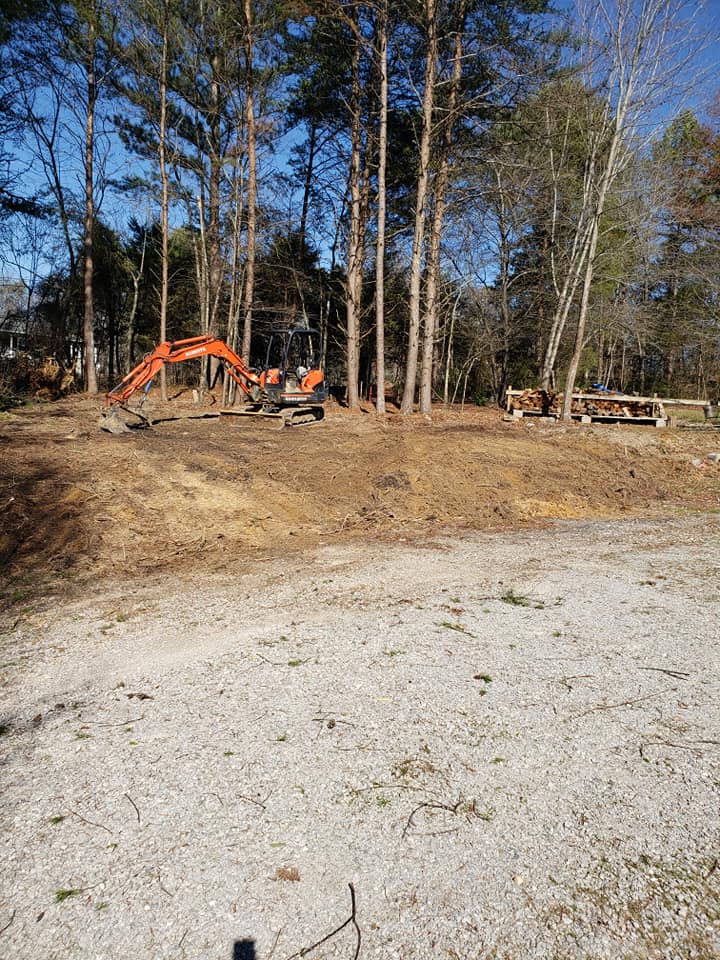
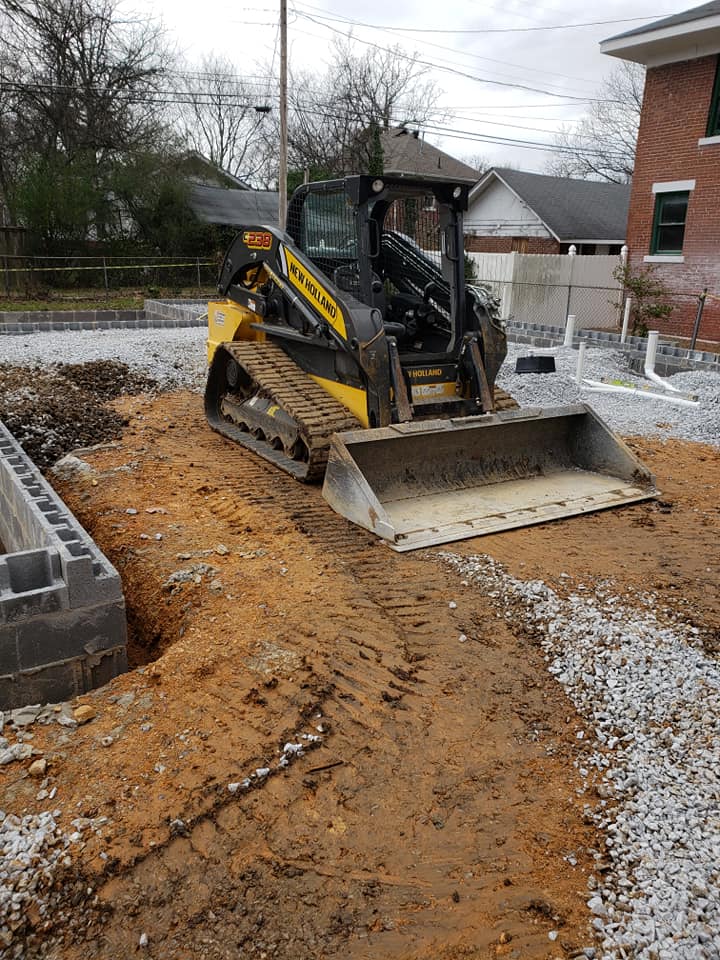
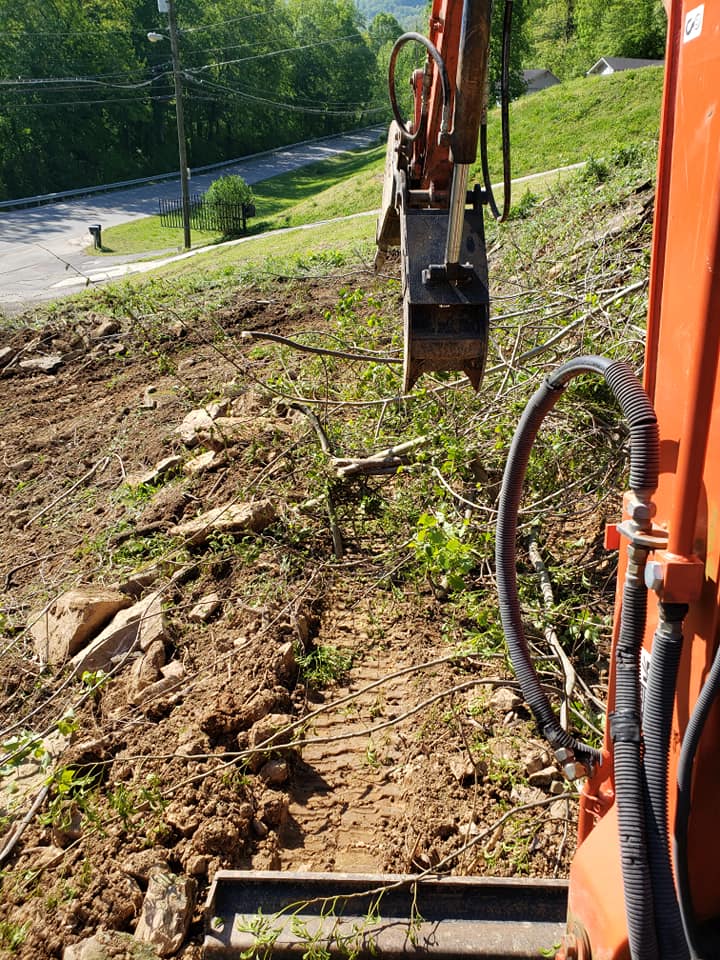
For grinding, the pit fills naturally over a few weeks but can be topsoiled and seeded immediately if you want grass back fast. Avoid planting directly into a fresh grind pit — wood chips compete with seedlings for nitrogen until they break down. For excavation, the hole is yours to fill or build on as you planned.
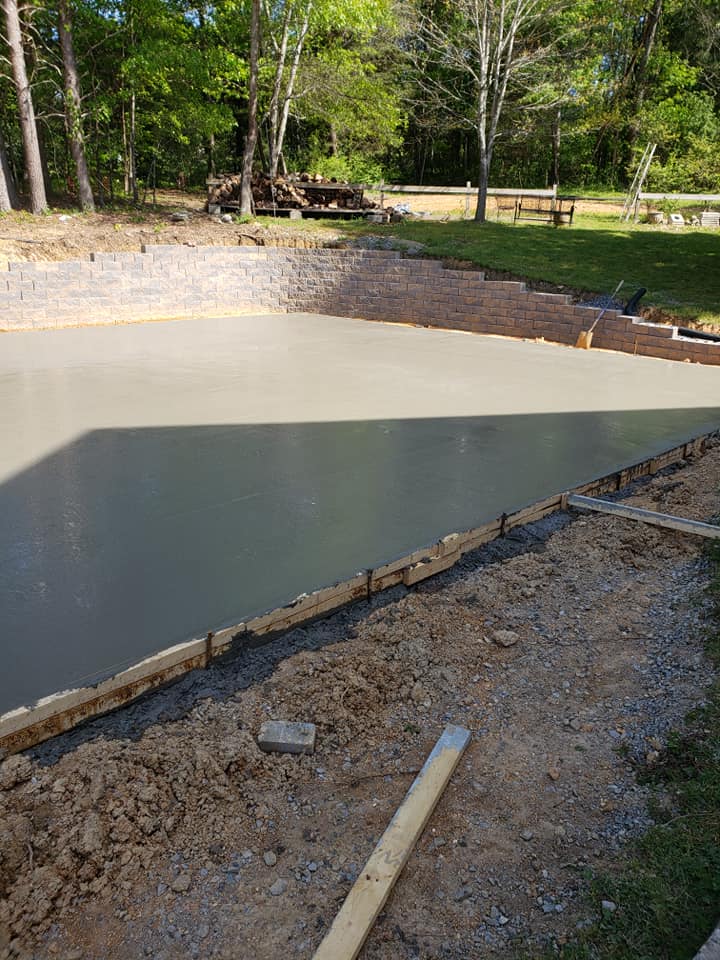
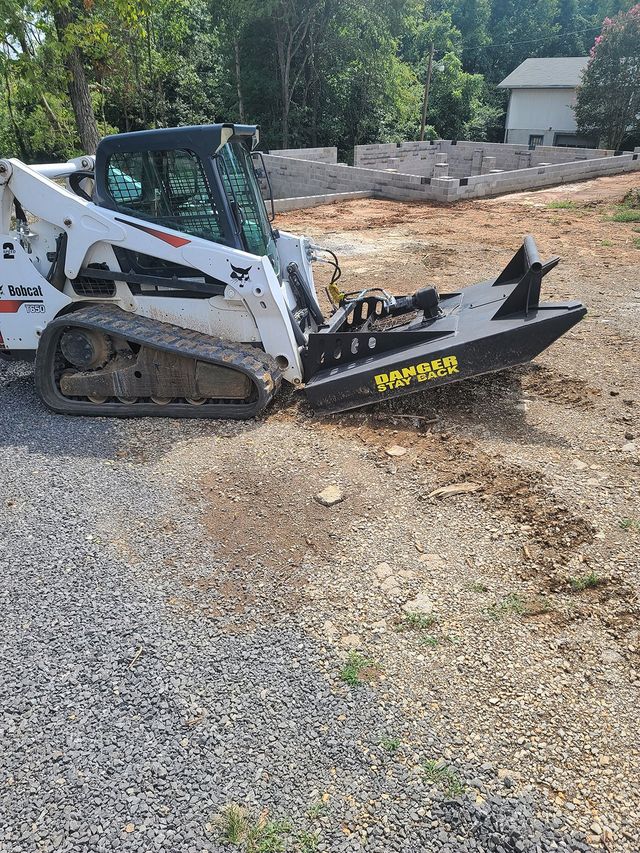
Most residential grinders handle 24-36 inch stumps. Larger stumps get done with multiple passes or an excavator. We size the machine to the job.
For stumps in established lawn areas, yes — Tennessee 811 will paint any underground utilities. We don't grind without locates near service lines.
Yes, indirectly. Once the stump is disconnected from any green growth, the roots die back over a year or two. Some species (silver maple, mimosa) can re-sprout from surface roots — those we typically excavate instead of grind.
Grinding removes the visible stump plus the upper root flare. Root grinding (a separate service) chases the major lateral roots out to about 10 feet from the trunk — usually only needed for large hardwoods in tight spots.
If we leave the chips in place, they compress to about half their volume in a few weeks and decompose over 1-2 years. To restore a level lawn faster, we backfill with topsoil and seed.
Yes — we use smaller machines (mini-excavator, narrow grinder) for tight clearances. Stumps within 5 feet of a foundation need careful work; we don't pull roots that connect to a footing without consulting the structural plan.
