
We build all three. The right choice depends on use, budget, and how the driveway connects to the rest of the property:
For most residential builds in Hamilton County with a 50-100 foot driveway, concrete is the right long-term call when the budget allows.
A residential concrete driveway in our area is typically:
We hit each spec. We don't pour 3.5 inches and hope.
Some hairline cracking in any concrete pour is normal. The cracks that ruin a driveway are the ones that telegraph through the slab in the first two years. The usual culprits:
We don't skip any of those.
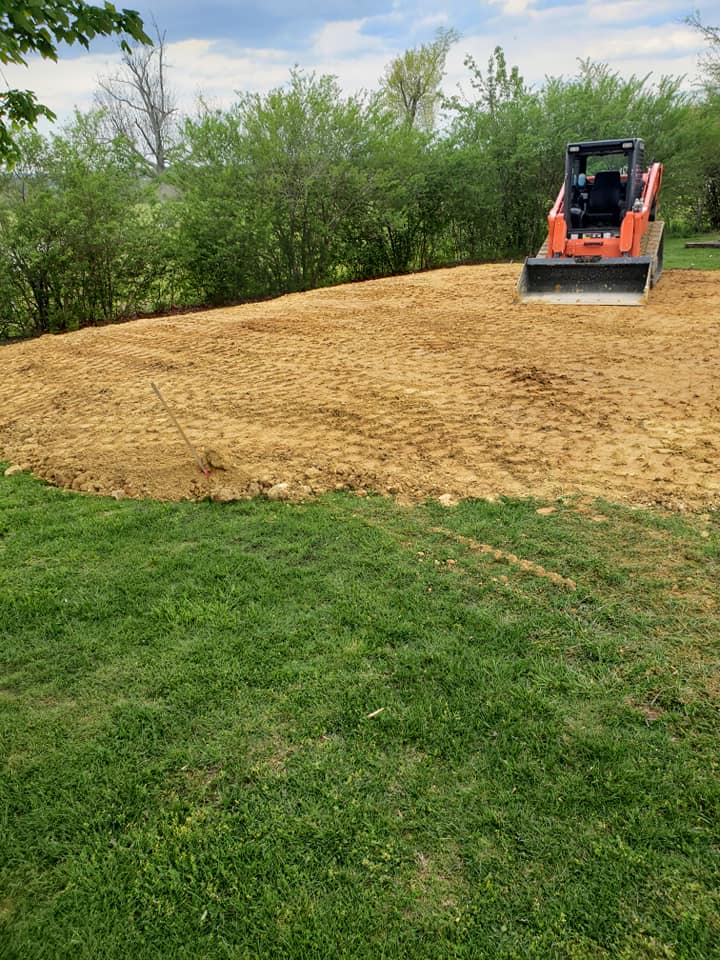
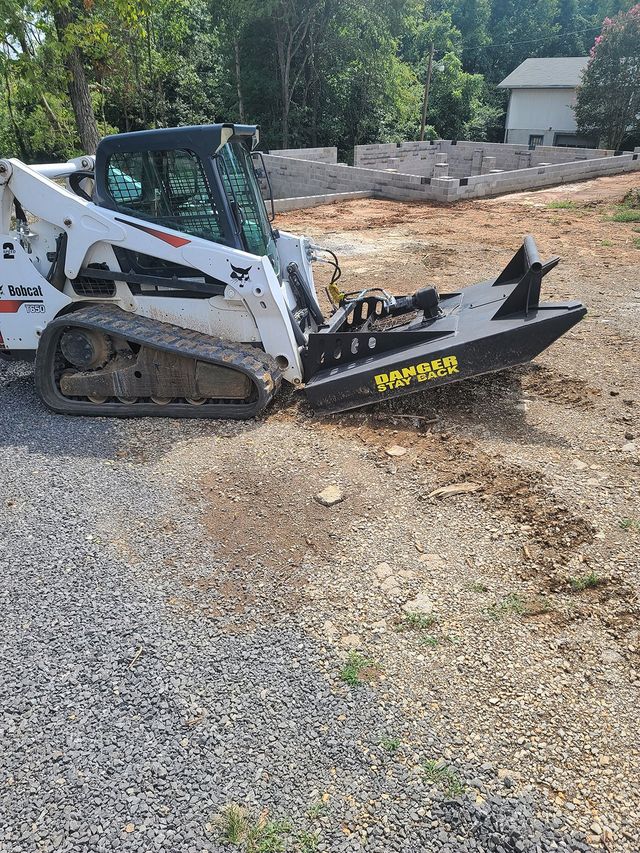
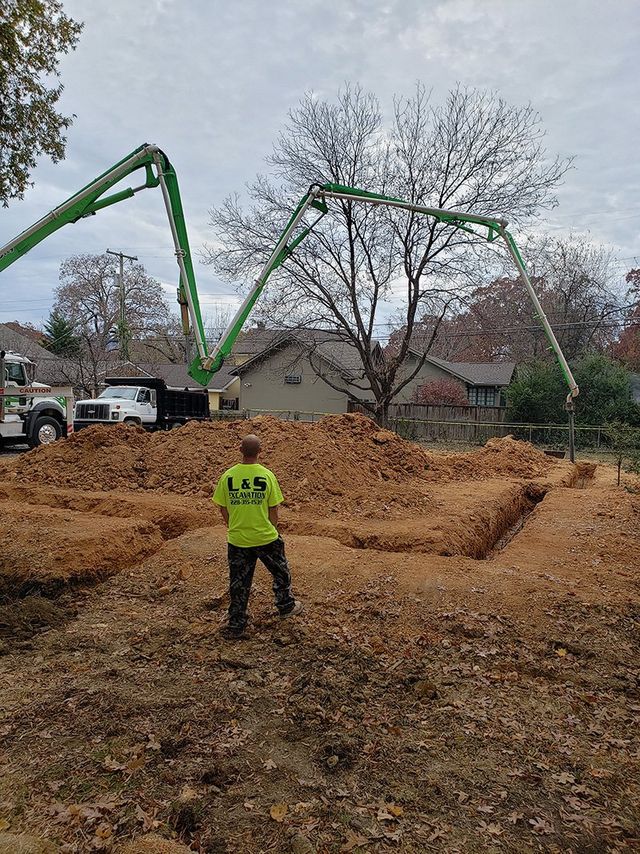
The transition from the driveway to the public road or street curb is where the most stress concentrates: heavy vehicle wheel loads, the angle change, the seam between your concrete and the public asphalt or curb. The apron usually needs:
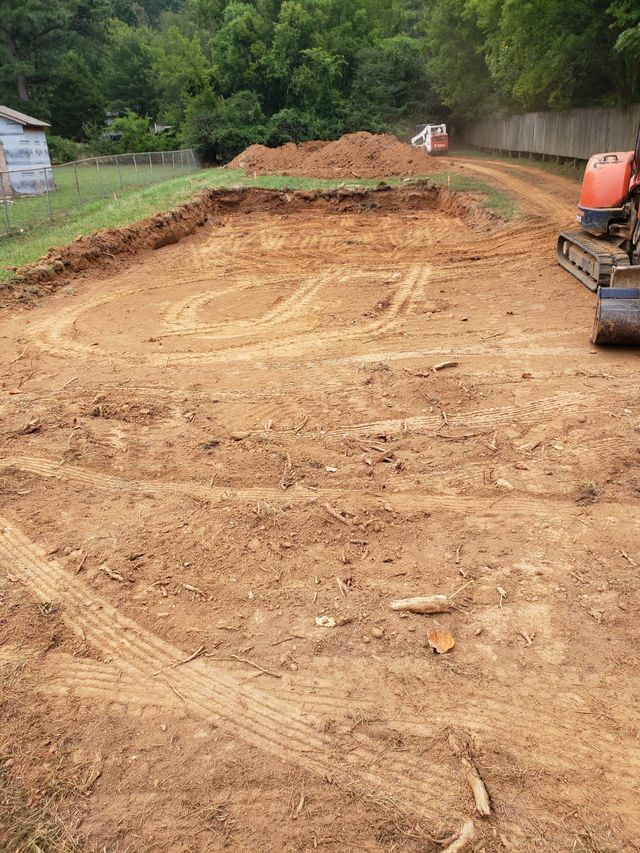
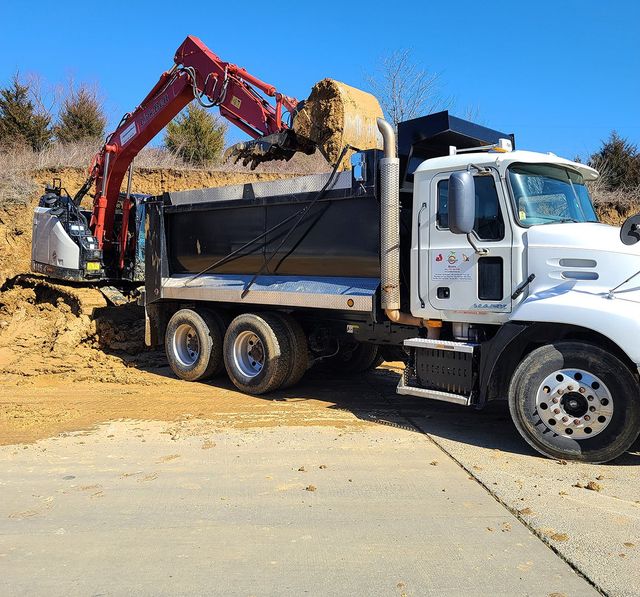
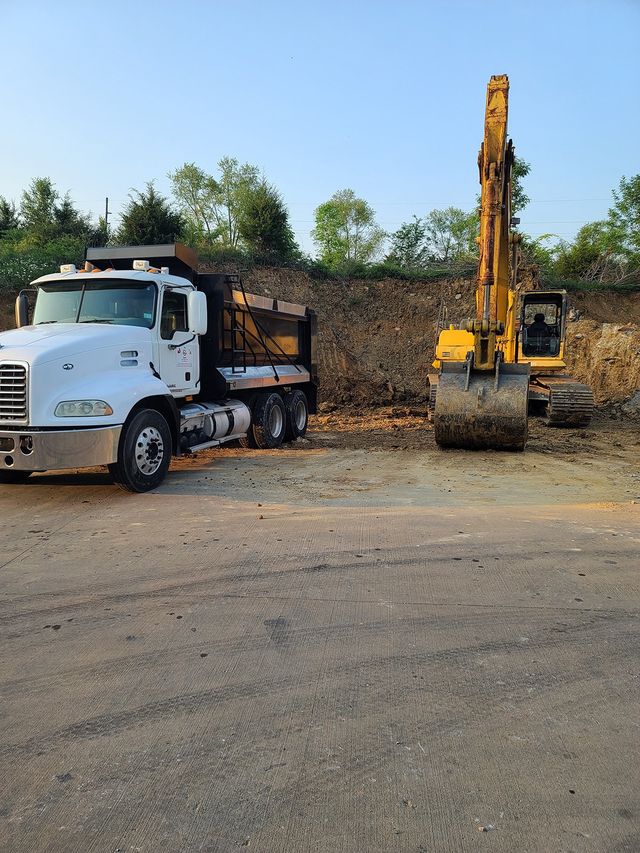
24 hours for foot traffic, 72 hours for light vehicles, 7 days before parking heavy trucks or trailers. Full design strength is 28 days. Patience here is what keeps the cracks invisible.
For residential driveways carrying passenger vehicles, wire mesh is fine. Rebar makes sense for anything that takes truck or trailer weight or sits on soils with poor bearing. We'll measure and recommend.
3,000 psi is the residential default in mild climates. 4,000 psi with air-entrainment is what we use in the Greater Chattanooga freeze/thaw zone — the air voids let water expand on freeze without spalling the surface. The cost difference is small; the lifespan difference is decades.
Yes. We handle the demolition, haul-off, subgrade reconditioning, and new pour. Often the existing base is salvageable, which saves on stone — we'll evaluate before quoting.
10-12 feet for a single car path, 16-18 feet for two cars side-by-side. The apron at the street can flare wider for easier turn-in. We size to the lot and the use.
Yes. Stamped concrete uses patterned mats pressed into the wet pour; integral colors or topical stains are added during or after. For high-end decorative work we coordinate with a finish specialist.
A driveway apron that connects to a public road requires a driveway encroachment permit from the county or city road department. Replacement in-place sometimes doesn't, but adding width or changing the apron location usually does. We file what's needed.
