Footings Excavation & Foundation Site Prep: What to Expect
Footings excavation is one of the most important steps in building a stable foundation. The goal is to excavate trenches or bearing surfaces to the correct depth, width, and elevation so concrete can be placed on solid, undisturbed soil (or properly prepared fill) and the structure can be laid out accurately.
This guide explains how footings excavation works, what affects cost/schedule, and how to prep your project for success.
What is footings excavation?
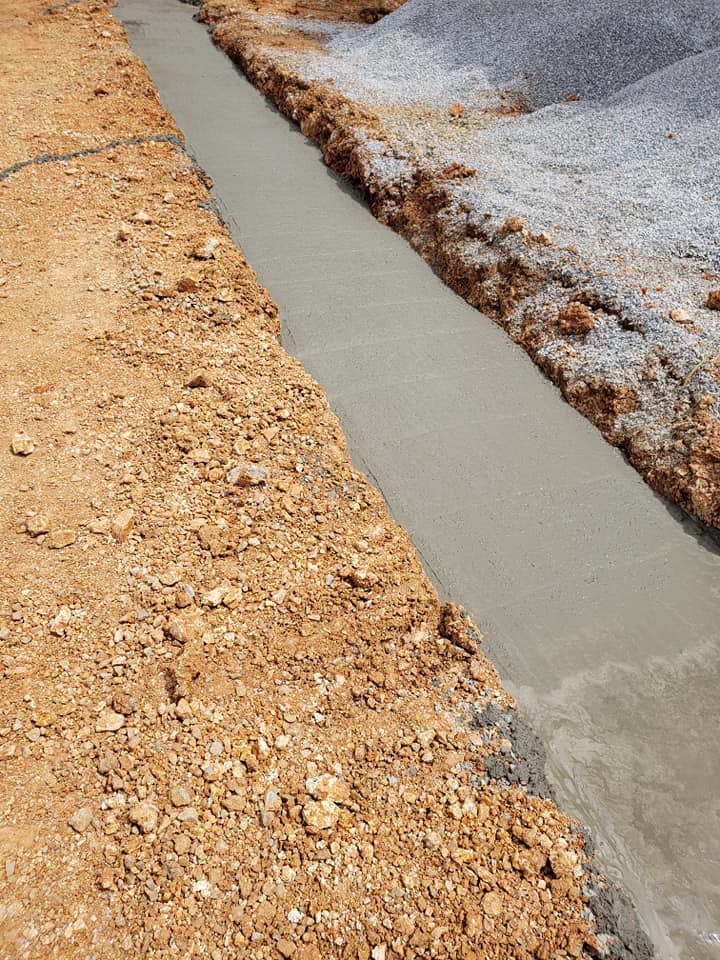
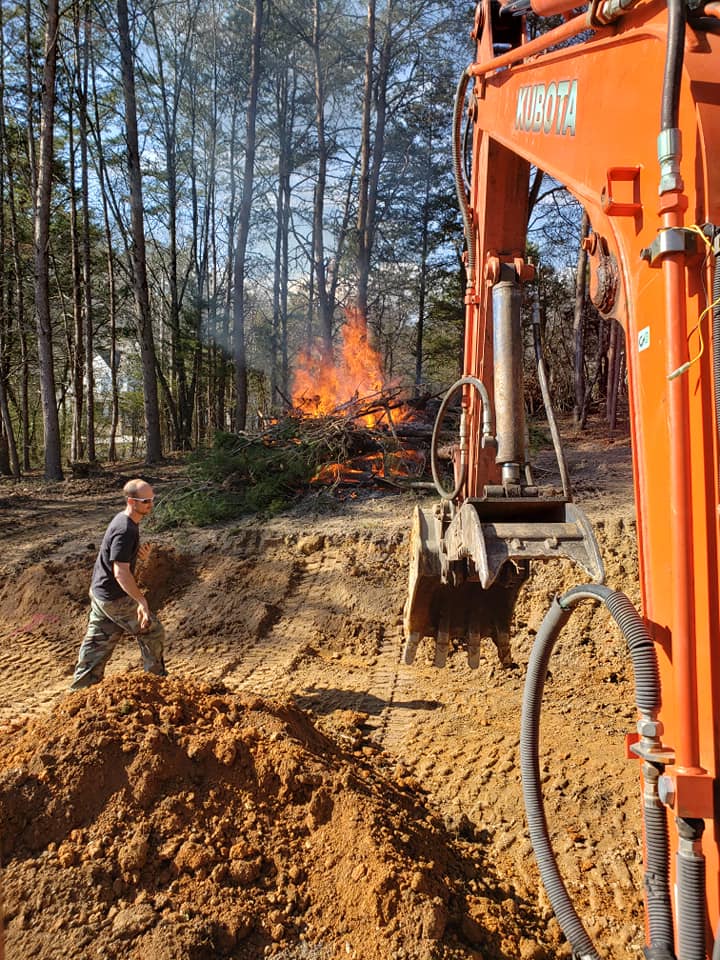
Footings excavation is the digging required for foundation footings—typically trenches for continuous footings, piers, or thickened edges depending on the design. It often includes:
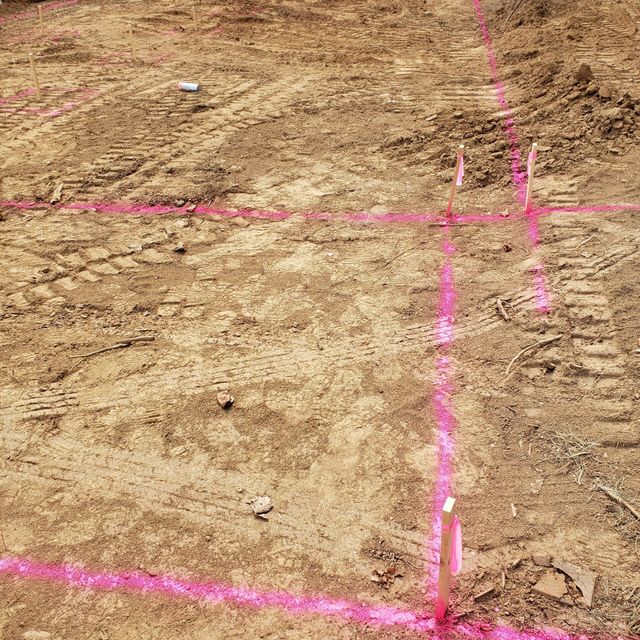
- Layout coordination (based on plans/marks)
- Trenching to depth and width
- Managing spoils (stockpile or haul-off)
- Keeping trenches safe and stable
- Fine-tuning elevations so formwork and rebar can be installed
How the process typically works
- Plans + layout: confirm footprint, elevations, setbacks.
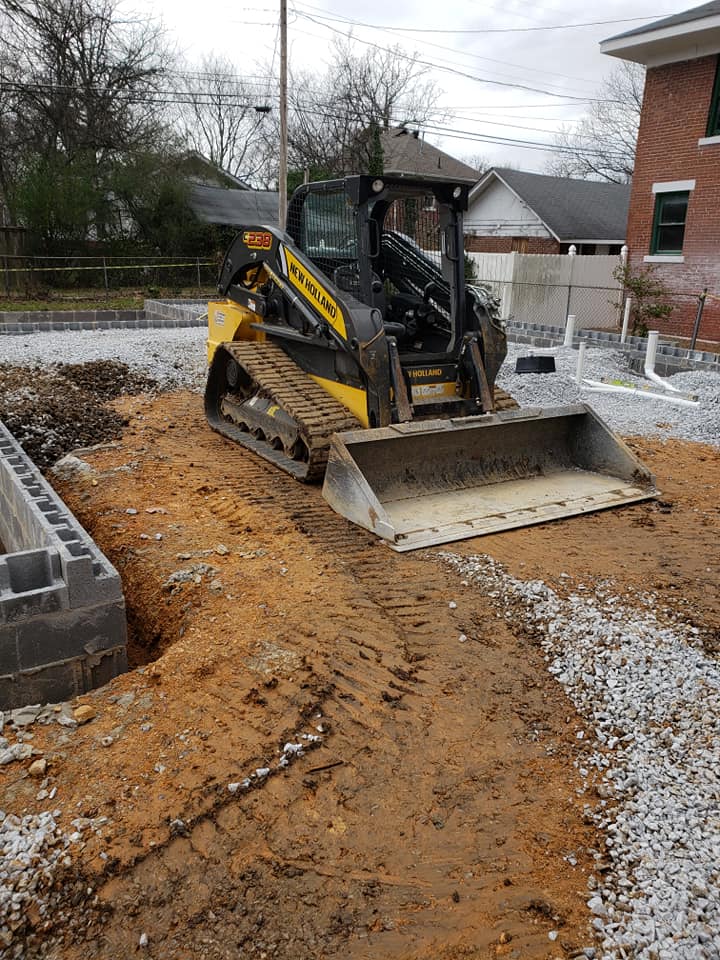
- Site access + grading: create room for equipment and safe working conditions.
- Excavate footings: dig to design depth/width and maintain clean lines.
- Inspection readiness: keep trench bottoms clean and accessible if inspections apply.
- Handoff to forms/rebar: coordinate so the next step can start without rework.
Key considerations (especially in sloped or rocky lots)
- Undisturbed soil is the target. Over-digging can require additional prep.
- Water management matters—standing water or soft trench bottoms can cause delays.
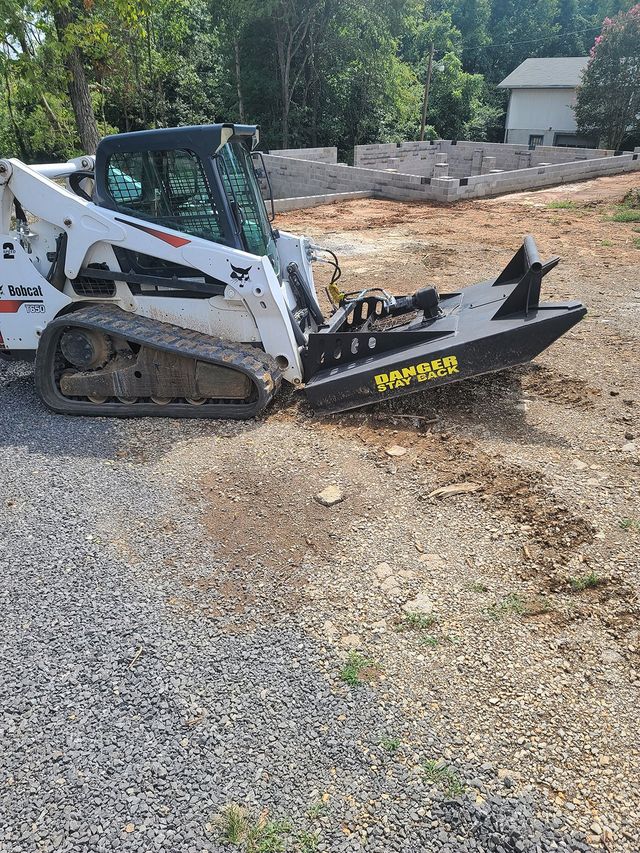
- Rock may require different equipment/time.
- Access and staging must leave room for concrete trucks and formwork.
What affects pricing?
- Linear footage of trenches and complexity of the footprint
- Depth and width requirements
- Slope and cut/fill needs
- Soil/rock conditions
- Spoils handling and disposal
- Timeline constraints and coordination needs
How to prepare for footings excavation
- Have plans ready (or at least the footprint + elevation targets).
- Ensure utilities are marked.
- Confirm where spoils can be placed.
- Plan access for concrete delivery.
Common mistakes to avoid
- Starting before layout is confirmed
- Underestimating drainage and water control
- Not planning for spoils volume
- Not coordinating timing with forms/rebar crews
Recent work