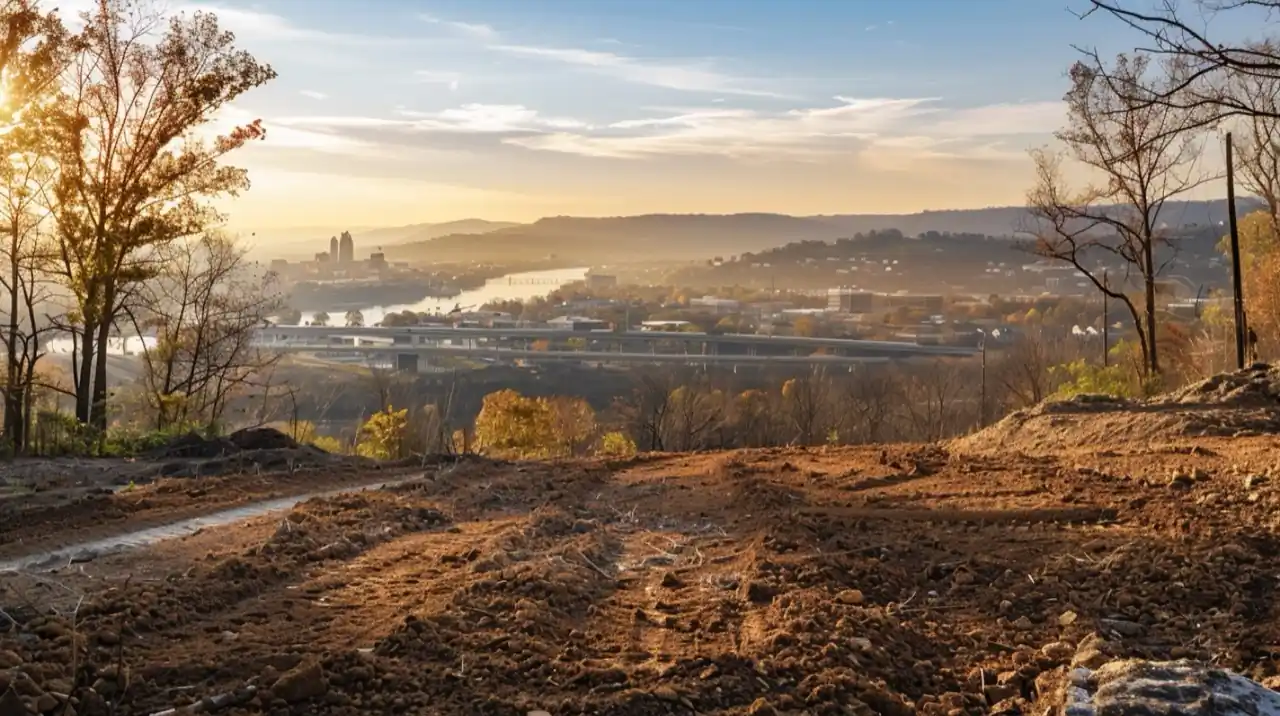
The dirt that washes off a construction site doesn't disappear. It goes into the nearest creek, choking the substrate and harming aquatic life — and into nearby properties, where it becomes the homeowner's problem. The federal Clean Water Act, administered by TDEC in Tennessee and the EPD in Georgia, requires sites disturbing 1+ acre to have an active SWPPP and to inspect/maintain the BMPs through construction.
Beyond the legal piece, good erosion control prevents:
Federal NPDES rules and TDEC's CGP (Construction General Permit) kick in at 1 acre of disturbance. Many jurisdictions in our area drop that threshold for hillside lots, lots adjacent to streams, or lots in regulated overlays. Quick check:
When in doubt, ask. The cost of asking is zero; the cost of being wrong is a stop-work order.
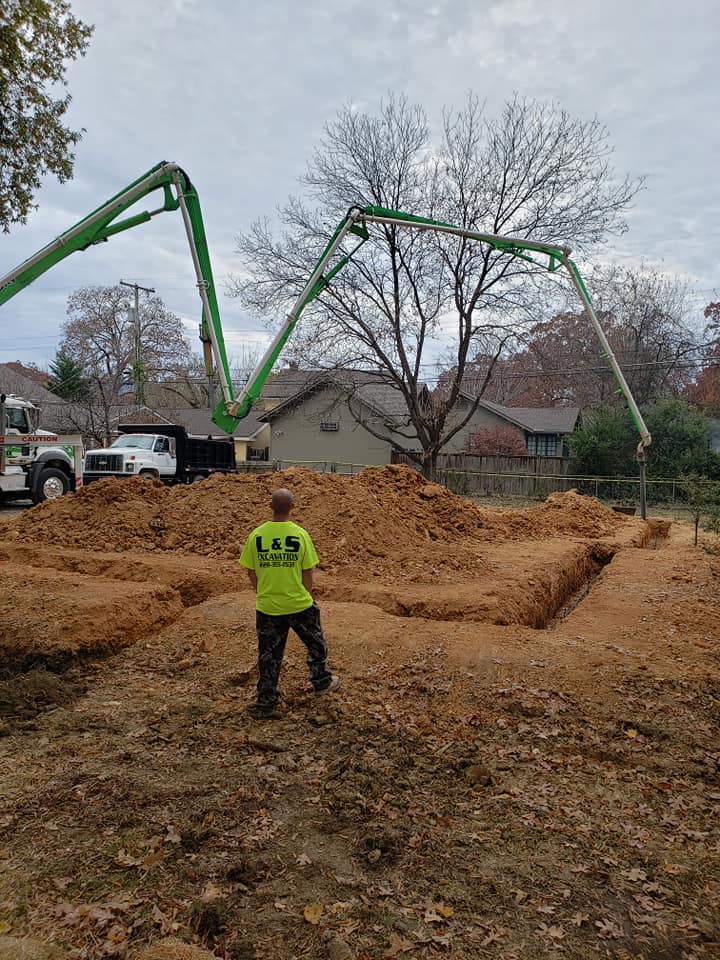
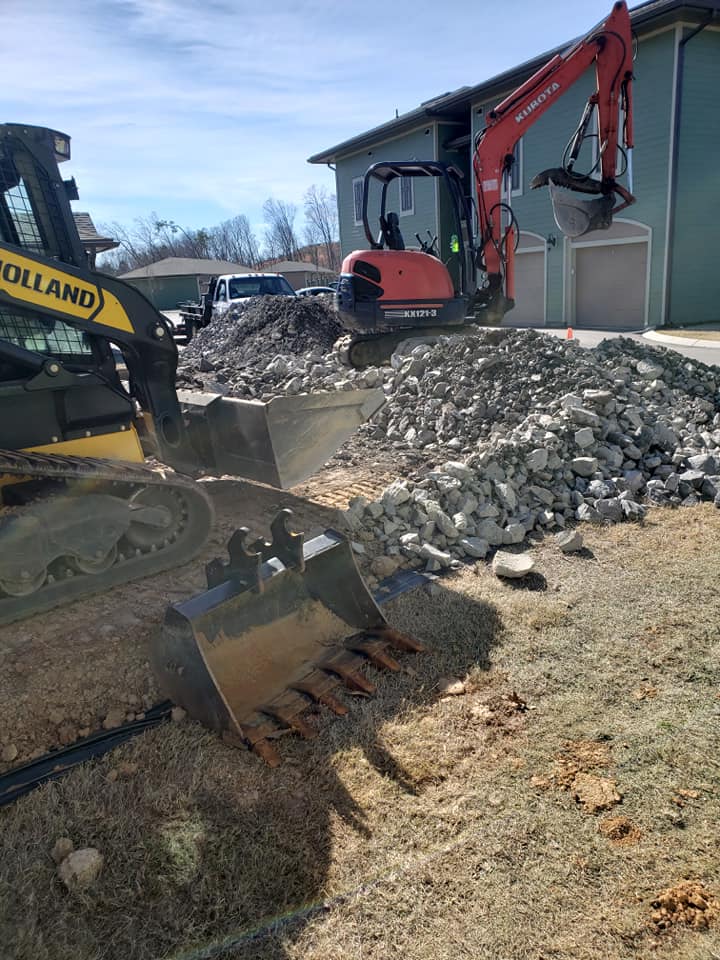
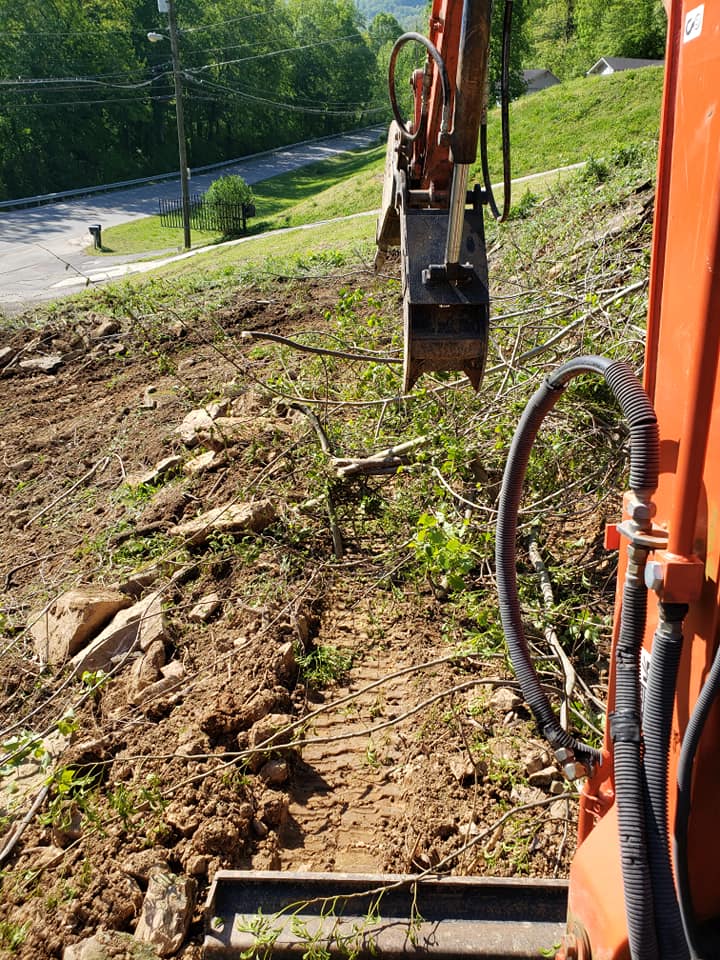
A SWPPP isn't a one-time install. The CGP requires:
We can handle the install only, the install plus weekly inspections, or full SWPPP administration depending on what the project needs.
If you're disturbing more than an acre, federally yes. Even on smaller lots, local rules often require silt fence along down-slope edges. And if your sediment washes onto a neighbor or into a creek, you're liable regardless of the size.
A properly installed silt fence with the bottom 6 inches trenched and back-filled typically performs 6-12 months. Sun exposure degrades the fabric; sediment loading eventually clogs the pores. We replace deteriorated sections as part of maintenance.
Silt fence is a fabric barrier installed at the down-slope edge to filter sheet flow. A sediment trap is an excavated basin sized to capture concentrated runoff from a larger drainage area, with a stone outlet to release clean water. For steeper sites or sites with concentrated discharge points, you need both.
We work with TDEC-certified inspectors and engineers for SWPPP development and filing. We coordinate the install with their plan. For the actual Notice of Intent filing, we usually leave that to the certified plan author.
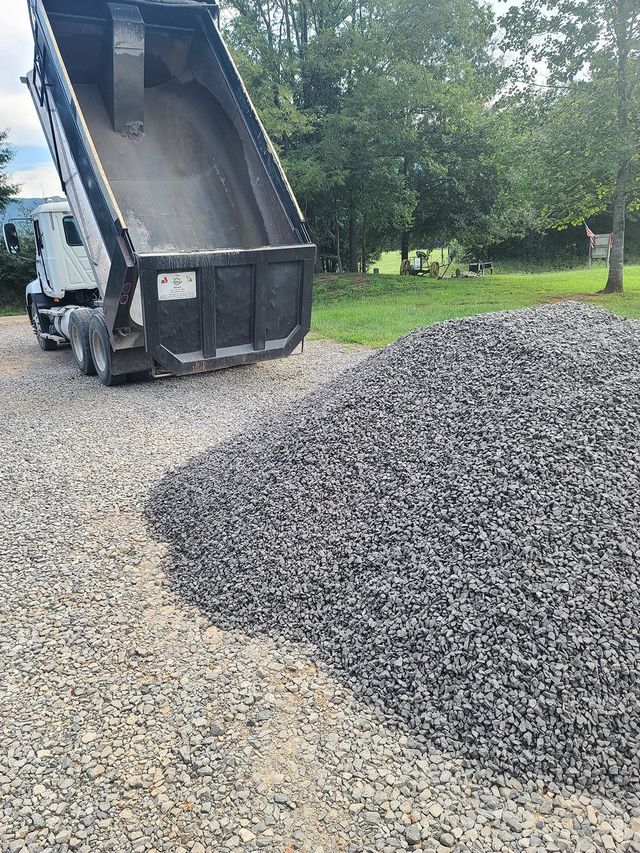
A pad of clean stone — typically #1 or #2 limestone — at the only entry/exit point on the site, designed to knock the mud off truck tires before they hit the public road. Required on most permitted construction sites. We install and re-stone as the project progresses.
After final stabilization — meaning the disturbed areas have 70% perennial vegetative cover (or equivalent stabilization). We remove silt fence, restore the trench line, and certify the site for SWPPP closure.
