
A French drain is a gravel-filled trench with a perforated pipe at the bottom, wrapped in filter fabric, that captures groundwater and routes it to a discharge point. The trench acts like a slow-motion ditch underground — water seeps in through the gravel, falls into the pipe, and follows the pipe to a daylight outlet, dry well, or storm-line tie-in.
A good French drain has four parts working together:
Get any one wrong and the system silts in within a couple of seasons.
Not every wet yard needs a buried pipe. If the water sits in low spots, regrading the surface might be the answer. If the water comes up through the soil after a heavy rain, or stays for days, a buried system is the right tool. We walk the site and let the soil tell us. The fastest indicator is mottled (gray-and-red) soil 12 inches down — that's a sign the area has been saturated long enough to change the soil chemistry.
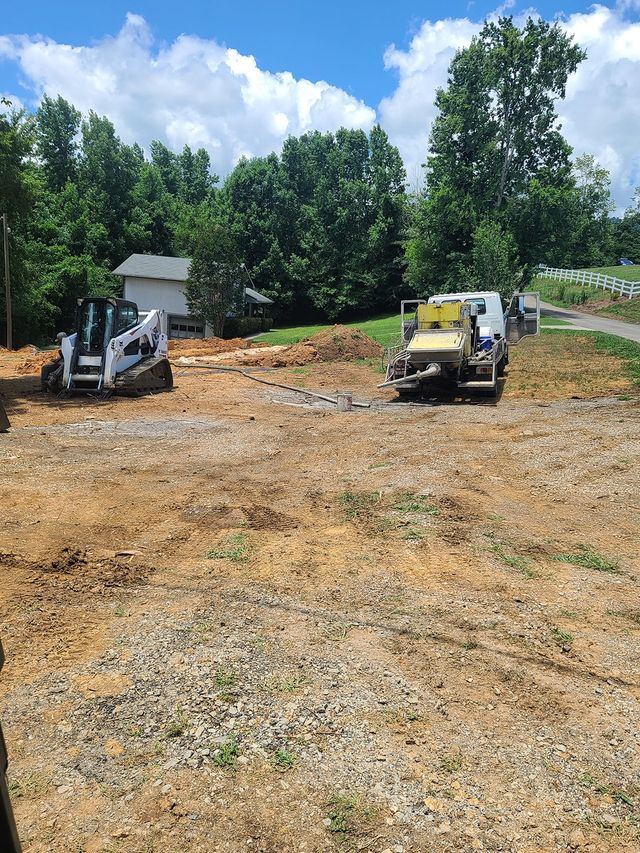
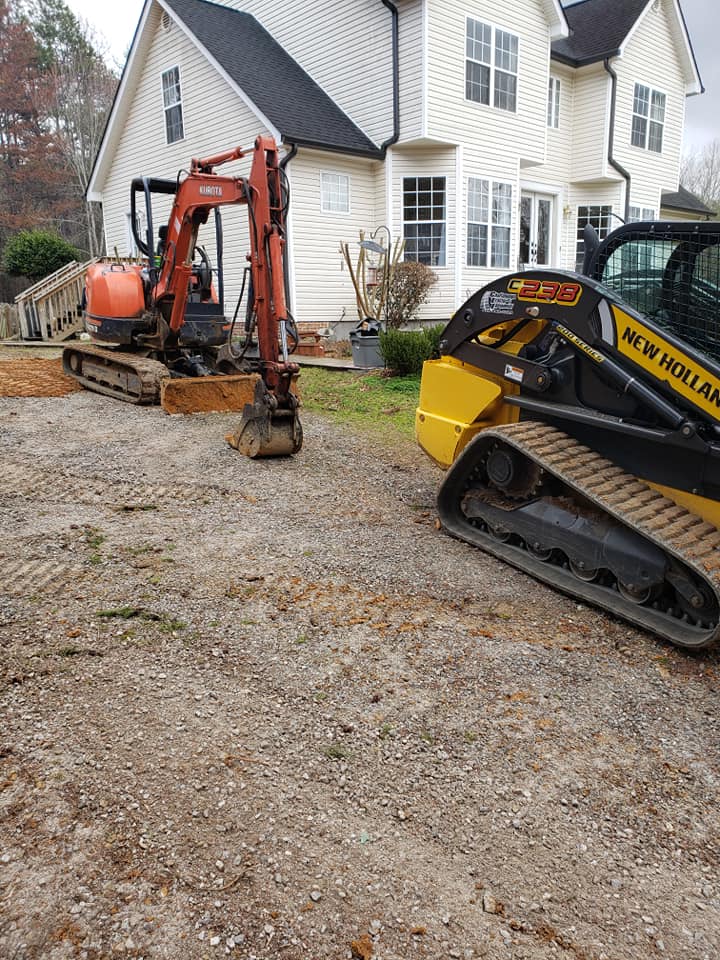
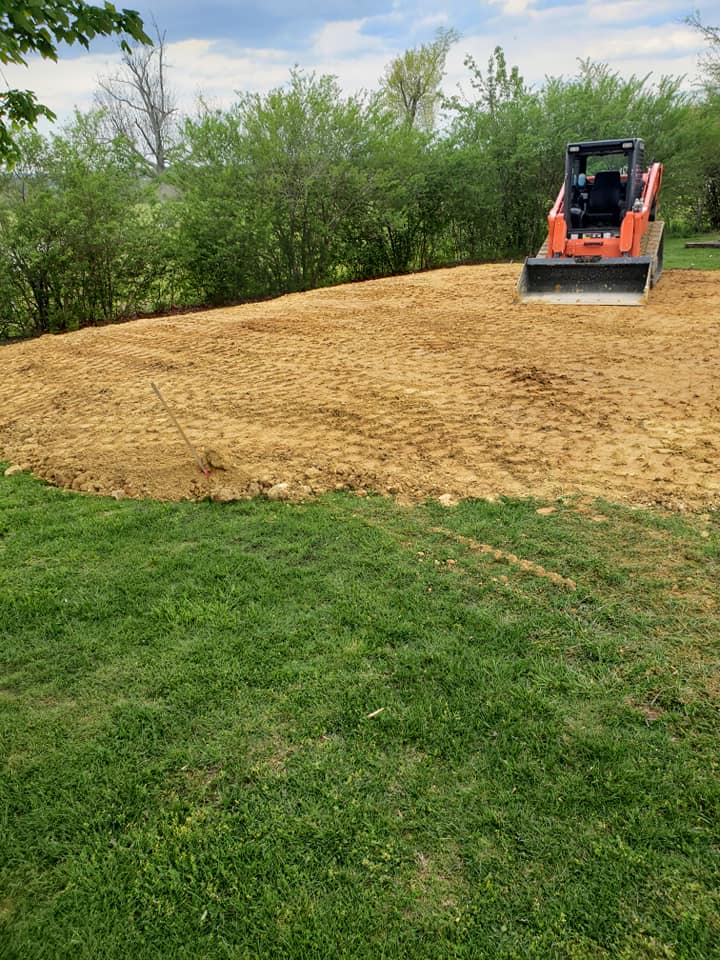
A properly designed French drain with filter fabric, washed gravel, and a clean discharge point should perform for 20-30 years. The failure modes are predictable:
We use the right materials and protect them during construction so the system actually lasts.
It depends on the linear footage, depth, soil type, and discharge. A 60-foot residential French drain along a foundation in workable soil and easy access is one number; a 200-foot system crossing a paved driveway and ending in a dry well is another. We'll measure and price by the foot with adders for the hard parts.
Sometimes. If your yard stays wet for more than 48 hours after a normal rain, water comes into the basement, or the foundation has efflorescence on the inside wall, drainage is probably the issue. Sometimes regrading alone fixes it. We'll tell you which.
To daylight wherever possible — a swale, ditch, or the street curb. If the lot has no daylight outlet, a dry well or storm-line tie-in is the next option. We won't install a system that ends in a "soak pit" that backs up.
We strongly recommend a separate downspout drain that doesn't mix with subsurface water. Roof water carries debris that clogs perforated pipe. Two parallel systems works better than one combined one.
Open trenching is disruptive. We work with you on the route to minimize impact, and the trench can be hand-finished and replanted afterward. On established yards, we often coordinate with a landscaper to restore the area.
Most residential drainage doesn't need a permit. Discharging into a regulated stream or running pipe across a property line might. We sort that out before work starts.
