Service

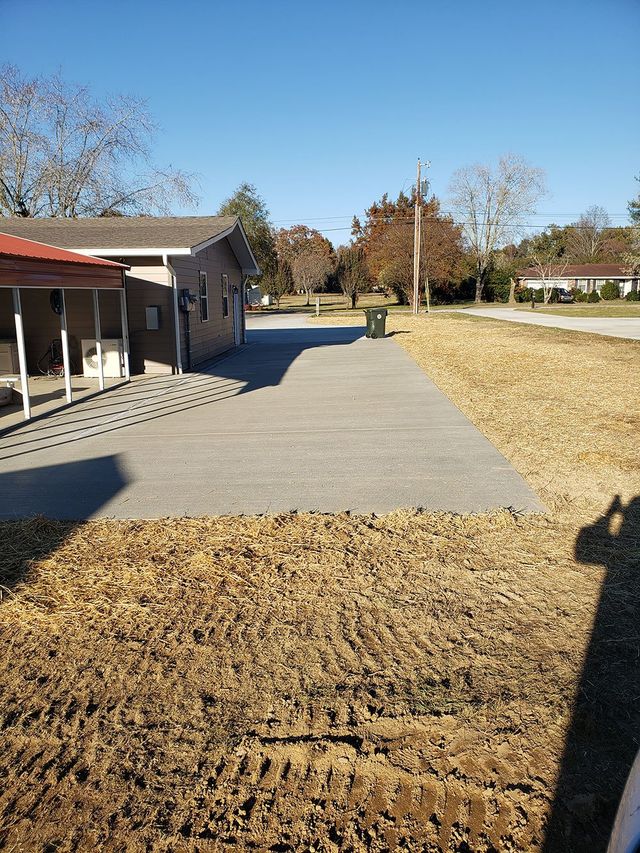
Gravel driveways

Services  /  Gravel driveways

Driveway Building (Gravel): How to Build a Driveway That Lasts

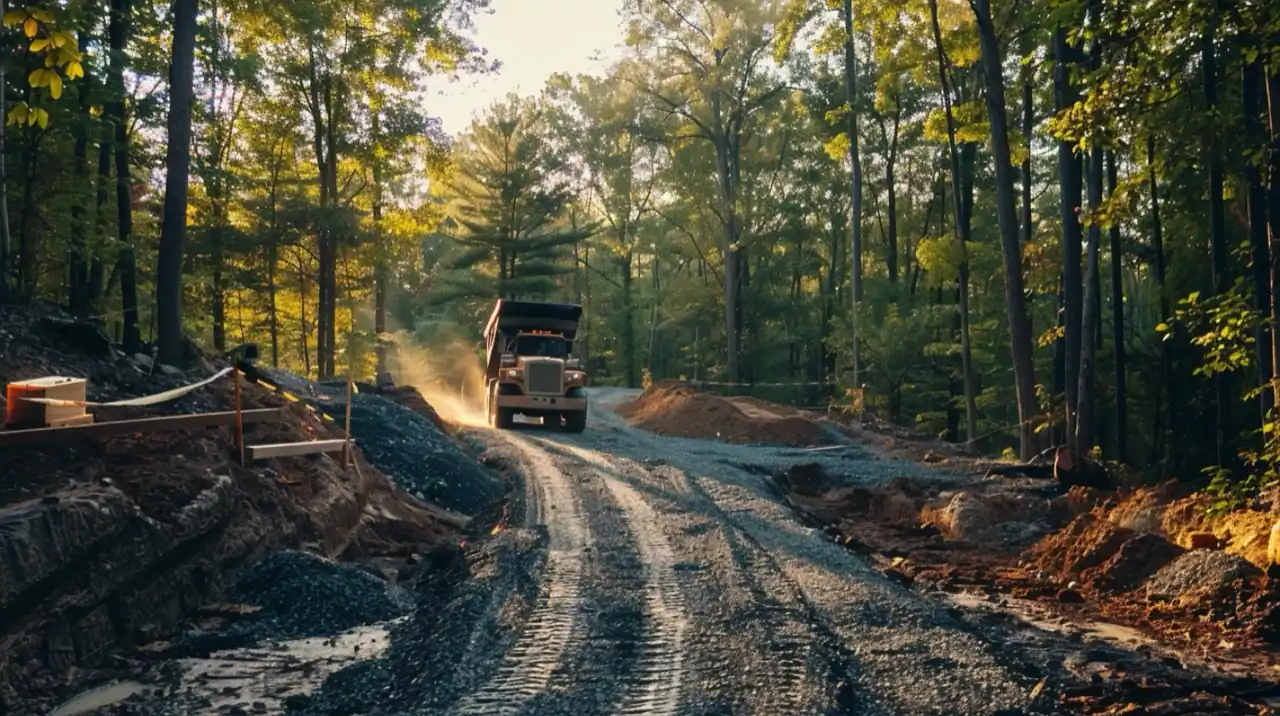
A good gravel driveway is mostly about what you don't see: base preparation, grading, and drainage. In the Greater Chattanooga area, heavy rain events make water control especially important.

This guide explains the driveway-building process and how to avoid common failure points like ruts, potholes, and washouts.

What a gravel driveway build includes

  • Clearing and access setup
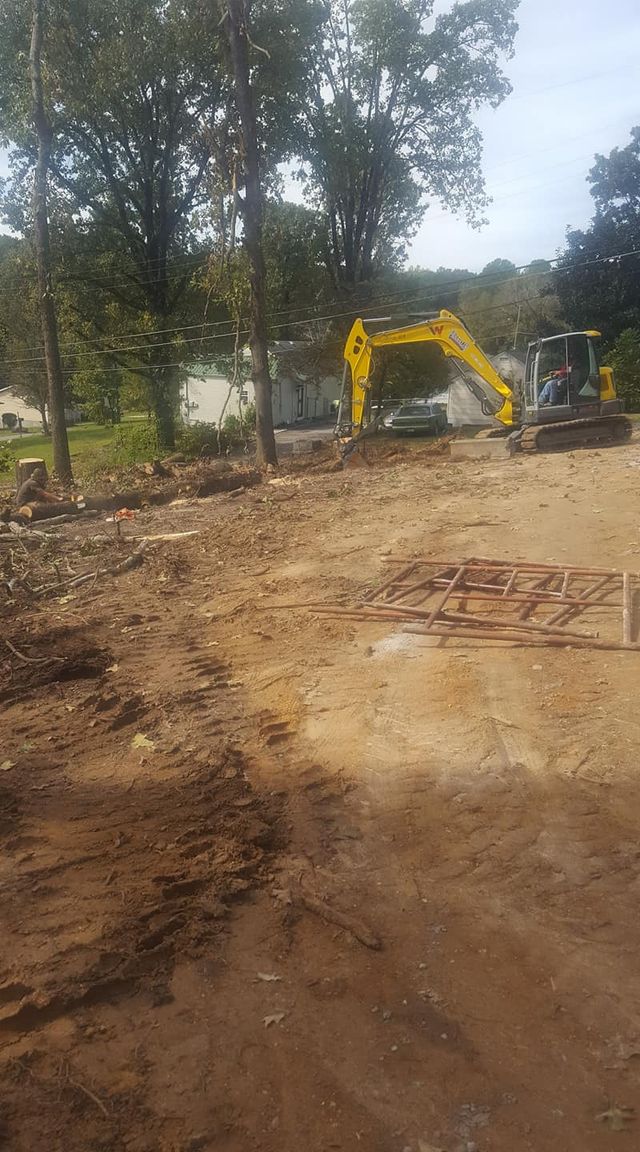
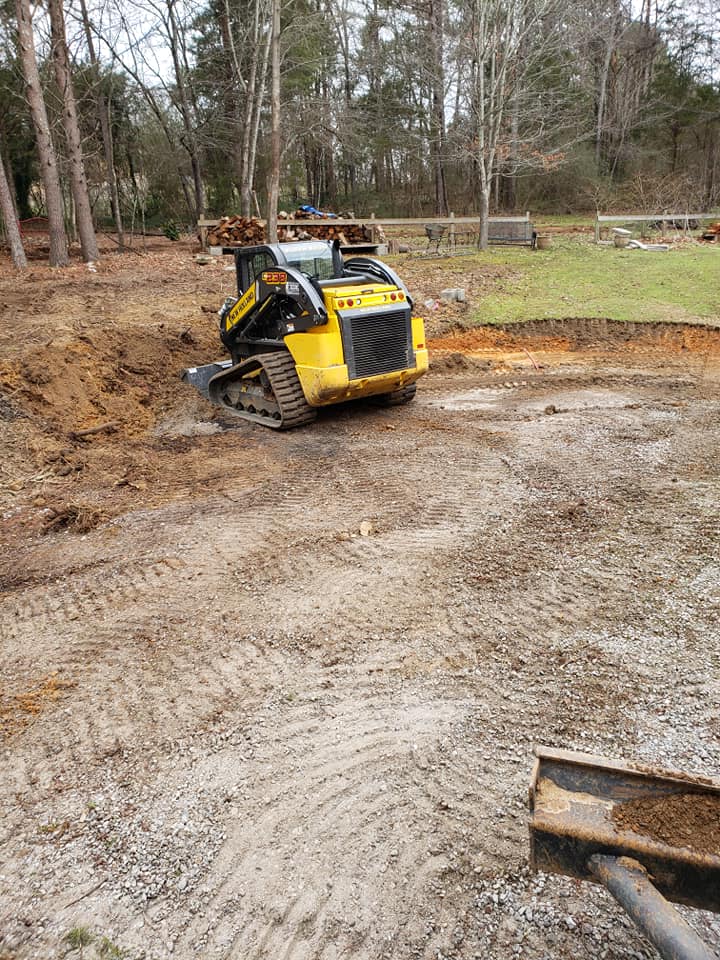
  • Cutting and shaping the driveway corridor
  • Establishing crown or slope for drainage
  • Base material placement (as required)
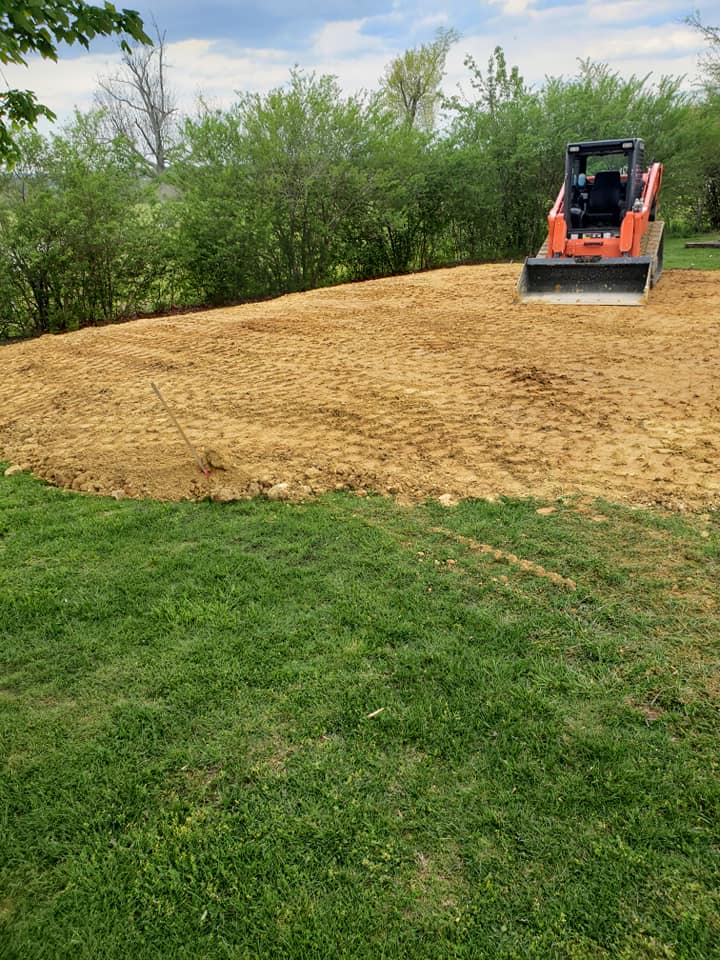
  • Surface stone placement and shaping
  • Optional turnarounds, parking pads, or ditches/swales

Drainage is the difference-maker

Most driveway problems come from water:

  • Water running down the driveway
  • Water sitting in low spots
  • Soft subgrade from poor shedding

A good plan uses slope, crown, and drainage features to move water off the drive.
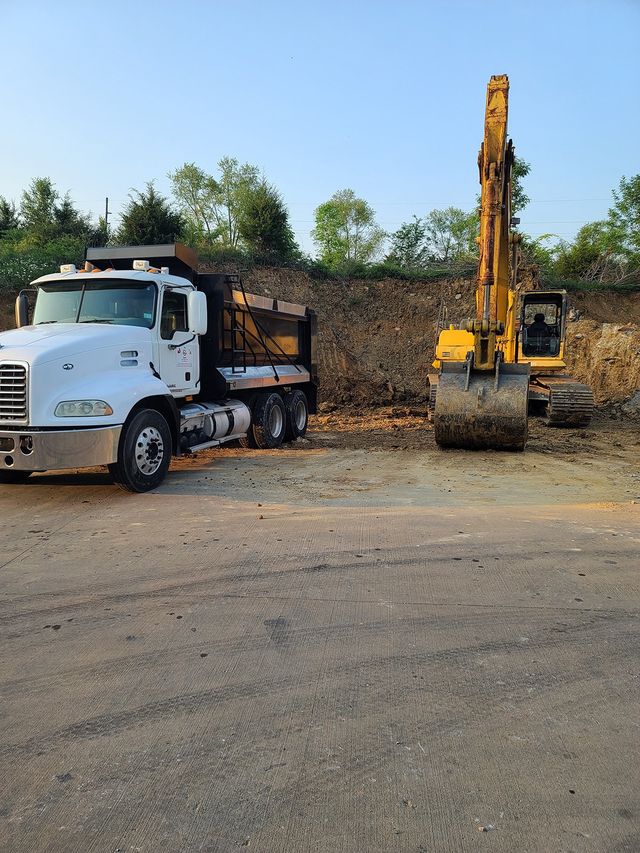
The typical process

  1. Define alignment, width, and tie-in to the road.
  2. Clear and rough grade.
  3. Shape subgrade and drainage.
  4. Add base material as needed.
  5. Add surface stone and finish grade.

What affects cost?

  • Length and width
  • Slope and soil conditions
  • Amount of base needed
  • Culverts/drainage features
  • Material delivery and access

Recent work

Service areas

Available across the Greater Chattanooga area.

FAQs

Common questions, straight answers.

Do I need a culvert?

It depends on your ditch lines and how water crosses the driveway. The goal is to avoid blocking drainage paths.

Why do gravel driveways develop potholes?

Often due to water and weak base/subgrade. Drainage and proper layering help.

How often do I need maintenance?

Driveways may need periodic touch-ups depending on traffic and weather.

Ready to break ground?

Let's talk about your site.

Request an estimate Free walk-through. · Written estimate. · No pressure.