Service

Excavation services

Services  /  Excavation services

Excavation Services in Greater Chattanooga: A Homeowner & Builder Guide

Excavation is the foundation of almost every successful construction project. From shaping a building pad to digging for footings, driveways, storm shelters, or ponds, the goal is the same: create a stable site with proper drainage and a clear plan for the next trade.

This pillar guide covers what excavation services include, how the work is typically scoped, and how to plan your project in the Greater Chattanooga area.

What excavation services include

Depending on your site and end goal, excavation can include:

  • Site prep and rough grading
  • Building pads (house pads) and compaction prep
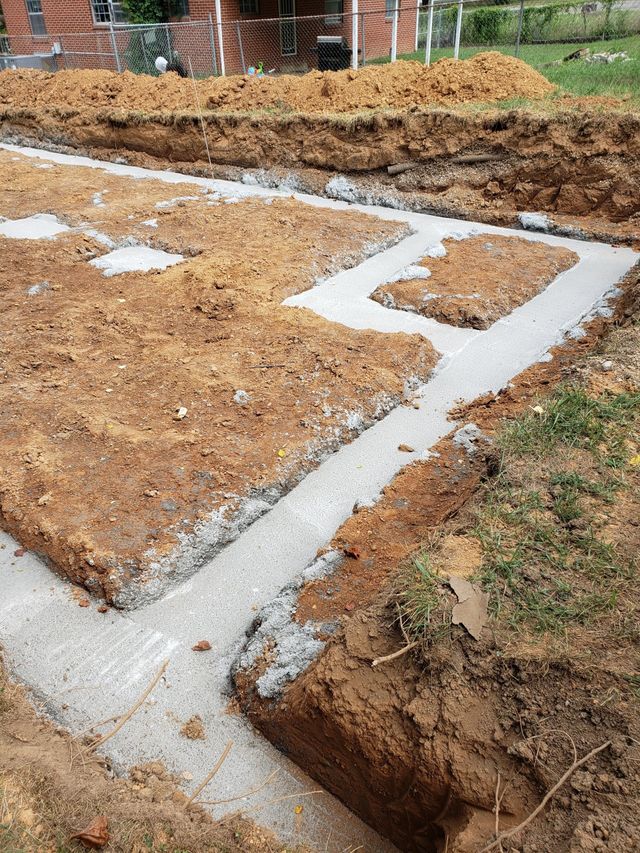
  • Footings excavation / trenching for foundations
  • Basement excavation
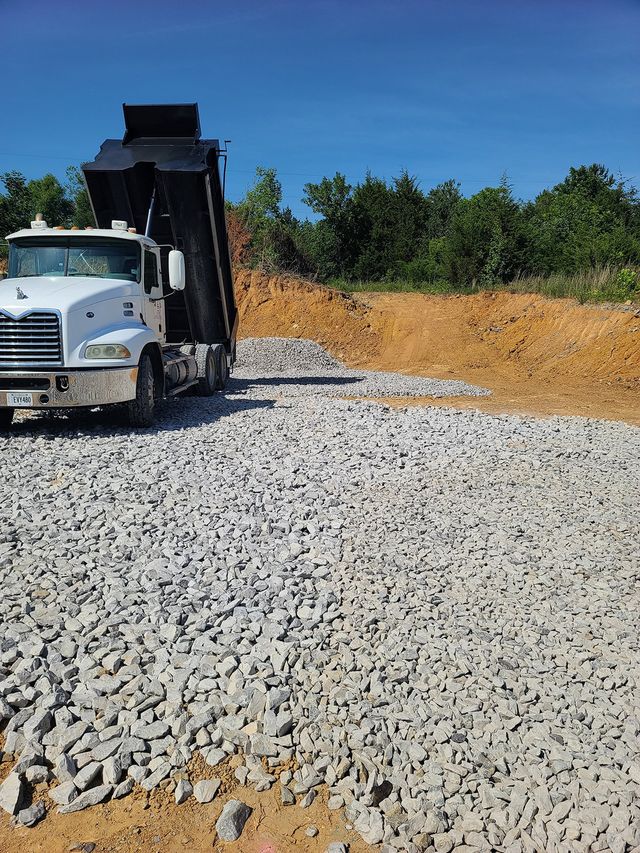
  • Driveway building and base preparation
  • Pond excavation
  • Storm shelter excavation
  • Retaining wall excavation and backfill prep
  • Demolition and removal of old concrete/structures (as needed)
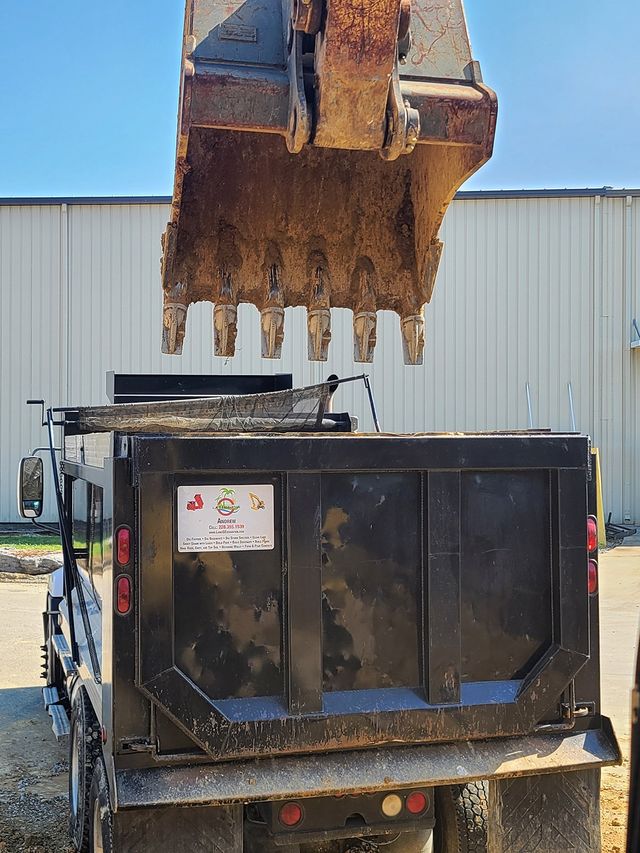
  • Hauling and material delivery coordination

The typical excavation workflow

1) Site walk + project goals

A good scope starts with: where the structure goes, how access works, where runoff should go, and what the "finished" condition should be.

2) Utility locate and planning

Before digging, utilities should be identified/marked. Your contractor will also plan staging areas for material and spoils.

3) Clearing and access

If the lot is wooded or tight, access is created first so equipment can work safely.

4) Cutting, filling, and shaping

Excavation typically involves "cut" (removing high spots) and "fill" (building up low spots) to create the correct elevations and slopes.

5) Drainage considerations

Even if final drainage is handled later, rough grading should protect the site and prevent standing water.

6) Fine grading or handoff

Some jobs end at rough grade; others require fine grading before concrete/landscape.
Key factors that affect excavation cost and schedule

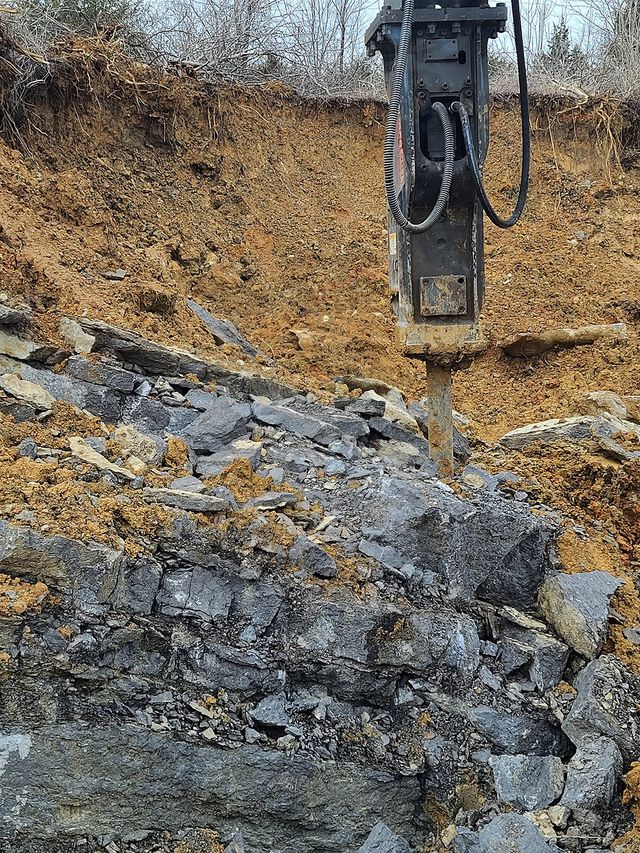
  • Soil and rock conditions: Chattanooga-area sites can be rocky; rock removal changes scope.
  • Slope: steep lots require more time and shaping.
  • Access constraints: narrow driveways, trees to protect, overhead lines.
  • Spoils plan: stockpile on site vs haul away.
  • Finish requirements: rough grade vs pad-ready.
  • Weather: rainfall affects soil moisture and compaction.

How to prepare for an excavation quote

  • Have a rough site plan or building footprint if available.
  • Know whether you need a pad, footings, driveway, or all of the above.
  • Identify any areas to preserve (trees, boundaries).
  • Decide if you need hauling/disposal included.

Common excavation mistakes to avoid

  • Skipping drainage planning until late
  • Not clarifying what "finished grade" means
  • Underestimating disposal volume
  • Starting before utilities are marked

How to choose an excavation contractor

Look for:

  • Clear scope definition (what's included/excluded)
  • A plan for drainage and spoils
  • The right equipment for your access and soil
  • Good communication about schedule impacts (weather, rock)

Recent work

Service areas

Available across the Greater Chattanooga area.

FAQs

Common questions, straight answers.

Do you need a permit for excavation?

Sometimes. Permitting varies by municipality and project type. Confirm locally if the project triggers permitting.

How long does excavation take?

Small residential scopes can be a few days; larger pads/basements/ponds can take longer depending on access and material handling.

What is rough grade vs final grade?

Rough grade establishes elevations and drainage; final grade is refined for finishes like concrete flatwork or landscaping.

Can excavation be done in winter?

Often yes, but weather and soil conditions can impact schedule.

Ready to break ground?

Let's talk about your site.

Request an estimate Free walk-through. · Written estimate. · No pressure.